










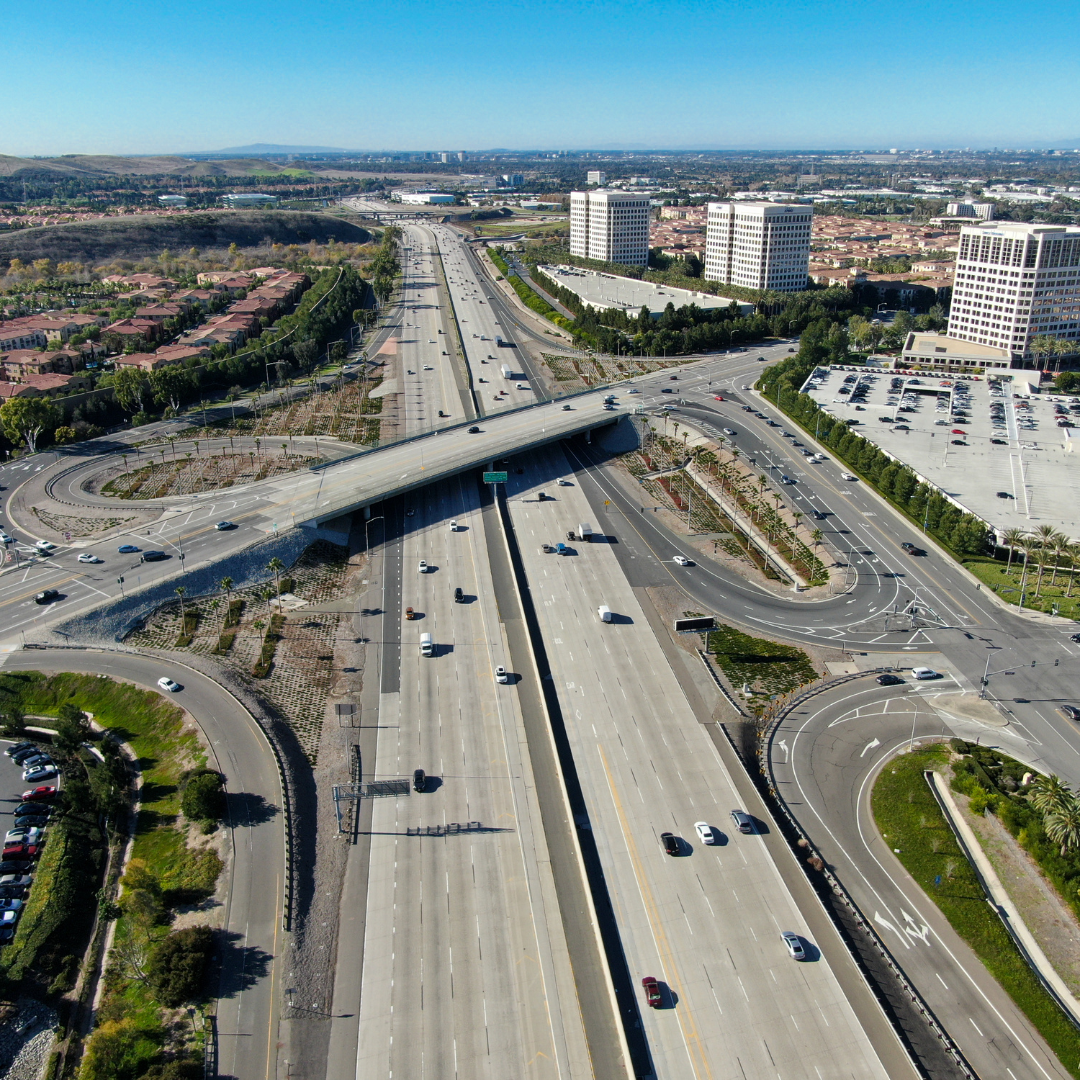
California’s transportation funding and financing system is undergoing a structural transition driven by declining fuel tax yields and the rapid adoption of electric vehicles. As fuel efficiency improves and zero-emission vehicles increase their share of the fleet, traditional gas tax revenues are becoming less reliable as a long-term funding source.
This shift has accelerated policy discussions around alternative mechanisms such as vehicle miles traveled fees and electric vehicle road usage charges. The core challenge is maintaining stable infrastructure funding while adapting to a fundamentally changing transportation economy.
State planning agencies such as the California Department of Transportation are actively evaluating post–gas tax frameworks that can sustain road maintenance, expansion, and safety programs.
Vehicle Miles Traveled (VMT) Fees as a Replacement Model
Vehicle miles traveled systems are emerging as a leading alternative to fuel-based taxation. Under a VMT model, drivers are charged based on the distance they travel rather than fuel consumed.
Structural Design and Measurement
VMT systems rely on odometer readings, telematics data, or GPS-based tracking to calculate road usage. This approach directly links transportation funding California mechanisms to actual infrastructure demand rather than fuel consumption.
The advantage of this model is revenue stability in a decarbonizing economy. However, implementation requires robust data infrastructure and clear privacy protections to maintain public trust.
Administrative Complexity
While conceptually straightforward, VMT systems introduce administrative challenges. Data collection, verification, and enforcement require coordination across public agencies and private technology providers.
These operational requirements significantly shape the feasibility of scaling transportation funding California reforms statewide.
Electric Vehicle Road Usage Charges
As electric vehicle adoption expands, policymakers are increasingly focused on ensuring EV drivers contribute to road maintenance funding.
Revenue Substitution Challenge
Electric vehicles do not contribute to fuel tax revenues, creating a funding gap as adoption increases. Road usage charges for EVs are designed to address this imbalance by aligning transportation funding California contributions with actual road usage rather than fuel consumption.
Policy Design Considerations
EV road charges must balance revenue generation with incentives for clean vehicle adoption. Excessively high fees could slow electrification progress, while underpricing could accelerate infrastructure funding deficits.
Pilot programs have been introduced to test different pricing structures and evaluate behavioral responses from EV owners.
Rural vs Urban Equity in Transportation Funding
One of the most contested aspects of transportation funding California reform is distributional equity between rural and urban regions.
Rural Dependence on Vehicle Travel
Rural communities often rely more heavily on personal vehicles due to limited public transportation infrastructure. VMT-based systems may disproportionately impact rural residents who must travel longer distances for essential services.
This raises concerns about fairness in transportation funding California policy design, particularly if flat per-mile charges do not account for geographic necessity.
Urban Density and Transit Alternatives
Urban areas, by contrast, typically have greater access to public transit options. This can reduce per-capita VMT exposure, potentially shifting tax burdens toward rural drivers under certain policy designs.
Policymakers must therefore consider regional adjustments or rebate mechanisms to maintain equity in transportation funding California systems.
Transition Challenges from Fuel Tax Systems
The legacy gas tax system has provided predictable revenue for decades, but its structural decline creates transition risks.
Revenue Volatility Risks
As fuel consumption decreases, gas tax revenue becomes more volatile and less capable of supporting long-term infrastructure planning. This instability drives urgency for alternative transportation funding California models.
Political and Public Acceptance
Public acceptance remains a key barrier to reform. VMT fees and road usage charges often face resistance due to concerns about privacy, fairness, and perceived double taxation.
Building trust in new systems will be critical for successful implementation.
Technology and Data Infrastructure Requirements
Modern transportation funding California systems depend heavily on digital infrastructure. This includes mileage tracking systems, secure data storage, and real-time reporting tools.
Privacy protections are central to system design, particularly when location-based data is involved. Agencies must ensure that data collection is transparent, limited in scope, and protected against misuse.
Technology partnerships with private sector providers are likely to play a key role in scaling these systems statewide.
Policy Outlook and Future Funding Models
California’s transportation funding system is expected to evolve toward a hybrid model combining VMT charges, EV road usage fees, and supplemental revenue sources.
This blended approach aims to stabilize transportation funding California while accommodating diverse vehicle types and regional needs.
Future developments may include dynamic pricing models, congestion-based charges, and integration with broader climate and infrastructure funding frameworks.
Conclusion
California’s transition away from gas tax dependence represents one of the most significant fiscal shifts in state infrastructure policy. VMT fees and EV road usage charges are emerging as primary alternatives, but they introduce new challenges related to equity, privacy, and administrative complexity.
The success of transportation funding California reform will depend on balancing revenue stability with fairness across rural and urban populations while maintaining public trust in system design.
For official transportation funding programs, infrastructure planning, and policy updates, refer to this link.
Stay informed on California tax policy, infrastructure funding, and transportation reform developments. Follow and subscribe to TaxFreedomCalifornia.com for ongoing analysis and policy insights.
Discover More Insights From TaxFreedomCalifornia.com