










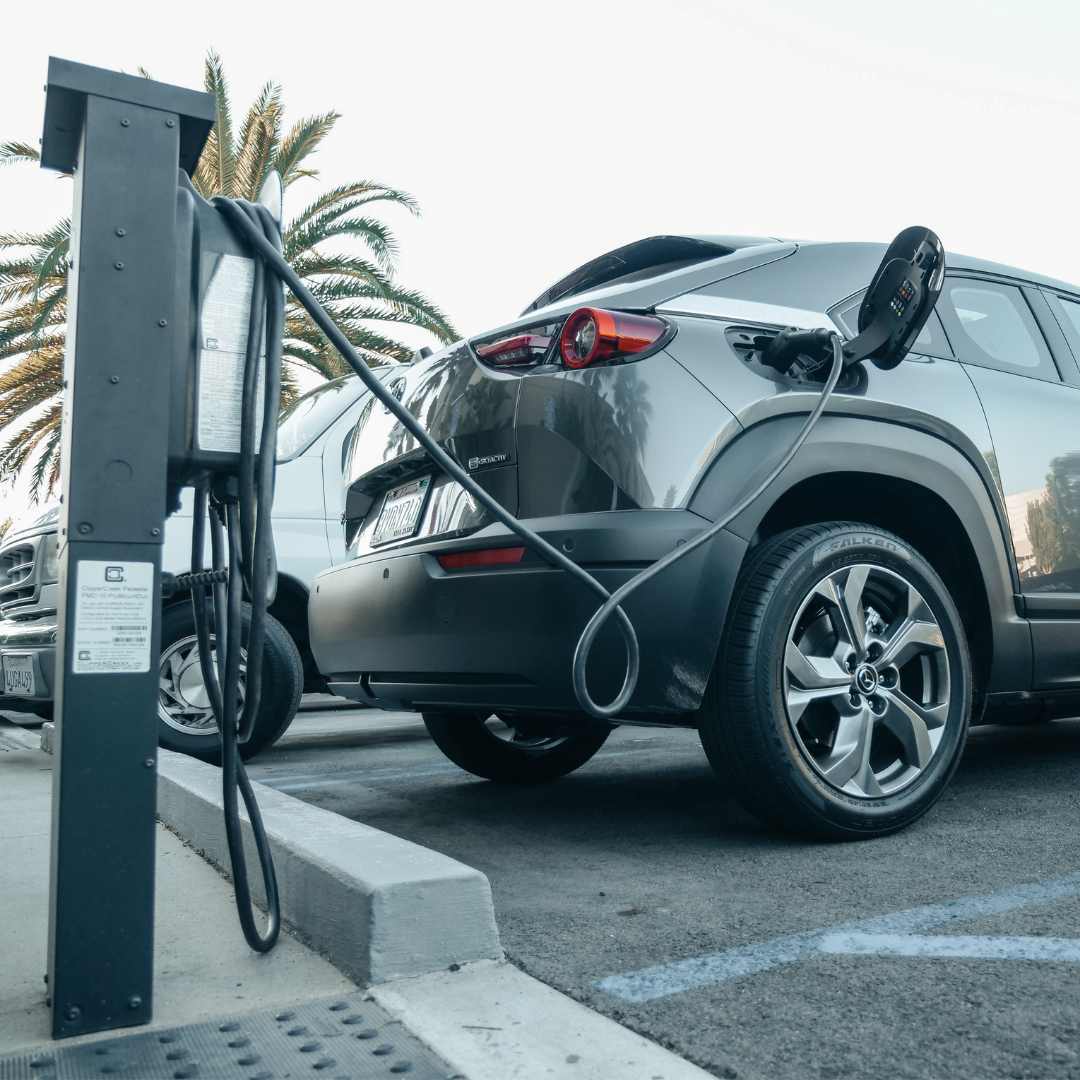
California continues expanding EV charging incentives in 2026 as part of its broader transition toward zero-emission transportation and clean energy infrastructure. Updated rebate programs and tax incentives now provide significant financial opportunities for homeowners installing residential chargers and businesses investing in commercial charging networks or electric vehicle fleets. These programs are designed not only to accelerate adoption but also to reduce upfront infrastructure costs through coordinated state, utility, and federal benefits.
The latest guidance clarifies eligibility rules, reimbursement structures, and tax treatment for charging equipment. For taxpayers, the key issue is no longer whether incentives exist, but how to structure installations strategically to maximize available savings. Proper planning allows households to reduce installation expenses while enabling businesses to integrate charging investments into long-term tax and operational strategies.
State agencies and utilities are increasingly aligning incentive programs with climate policy goals, meaning compliance requirements and documentation standards have become more structured. Understanding how EV charging incentives apply before installation begins is essential to avoid missed rebates or disqualified expenses.
Updated Residential EV Charging Incentives
Homeowners installing Level 2 charging stations remain a primary focus of California’s incentive expansion. Residential EV charging incentives in 2026 include rebates tied to income eligibility, geographic equity programs, and utility-sponsored electrification initiatives. Many programs prioritize households located in disadvantaged communities or areas with limited charging access, increasing rebate amounts for qualifying applicants.
Eligible expenses typically include charging hardware, electrical panel upgrades, wiring, permitting, and professional installation. However, incentives often require pre-approval or participation in approved contractor networks. Homeowners who install equipment before receiving program authorization may risk losing eligibility, making early planning critical.
From a tax perspective, residential installations may also qualify for federal clean energy credits, allowing homeowners to combine state rebates with federal tax benefits. Coordinating these programs reduces total project costs and shortens the return-on-investment timeline. Taxpayers should maintain invoices, installation certifications, and proof of payment, as rebate administrators and tax authorities may request verification.
Commercial Charging Infrastructure and Fleet Adoption
Businesses adopting electric vehicles or installing charging stations for employees and customers have access to expanded EV charging incentives in 2026. Commercial programs now emphasize workplace charging, fleet electrification, and publicly accessible infrastructure designed to support statewide transportation goals.
Eligible entities include small businesses, property owners, multifamily housing operators, and logistics companies transitioning to electric fleets. Incentives may cover a substantial portion of equipment and installation expenses, particularly when projects support high-utilization charging locations. In some cases, utility providers offer additional funding for grid upgrades necessary to support higher electrical loads.
Tax treatment becomes especially important for commercial adopters. Charging equipment may qualify for depreciation benefits, energy-related tax credits, and operational deductions tied to business use. Companies investing in EV infrastructure should coordinate with accounting and tax advisors to classify equipment correctly and capture all allowable incentives. Proper structuring can significantly reduce taxable income while supporting sustainability objectives.
Tax Planning Strategies for Maximum Savings
Effective tax planning is central to maximizing EV charging incentives. Homeowners benefit most when installations align with available rebate cycles and federal credit timelines. Planning installations within eligible tax years ensures credits are claimed without delay, while bundling electrical upgrades with charger installation may increase qualifying expenses.
For businesses, timing investments around capital expenditure planning can produce measurable tax advantages. Installing charging infrastructure alongside fleet purchases allows organizations to align incentives with depreciation schedules and operational budgeting. Companies may also evaluate whether providing employee charging access qualifies as a workplace benefit, potentially improving recruitment and retention while supporting environmental goals.
Documentation remains a critical compliance factor. Taxpayers should retain rebate approval notices, contractor agreements, energy compliance certifications, and detailed cost breakdowns. Many incentive programs conduct post-installation verification audits, and incomplete records can result in repayment obligations or denied tax claims.
Compliance Considerations and Program Coordination
Although EV charging incentives provide meaningful financial relief, they also introduce compliance responsibilities. Programs often require equipment to meet specific technical standards, including energy efficiency ratings and network connectivity requirements. Installations must generally be performed by licensed professionals and comply with local permitting rules.
Businesses operating across multiple locations must also account for jurisdictional differences in utility incentives and municipal permitting requirements. Coordinating projects across departments—including facilities management, finance, and tax compliance—reduces administrative risk and ensures incentives are captured consistently.
Another emerging consideration involves energy rate structures. Utility time-of-use pricing can influence long-term operating costs, meaning charger deployment strategies should account for electricity pricing patterns. Businesses planning fleet electrification benefit from analyzing charging schedules alongside available incentives to optimize both installation and operational savings.
Long-Term Financial Impact of EV Charging Investments
The expansion of EV charging incentives reflects California’s long-term policy direction toward transportation electrification. For homeowners, installing charging infrastructure increases property functionality while reducing fueling costs over time. For businesses, charging investments increasingly represent operational infrastructure rather than optional sustainability upgrades.
As incentive programs mature, early adopters often realize the greatest financial advantage. Rebates may decline as adoption increases, making 2026 a strategic window for taxpayers considering installation. Integrating EV charging infrastructure into broader tax planning allows households and companies to capture immediate savings while preparing for future regulatory shifts favoring electrified transportation.
Careful evaluation of eligibility rules, installation timing, and tax treatment ensures that EV charging incentives translate into measurable financial outcomes rather than administrative complexity.
Taxpayers and businesses can review current EV charging incentives, eligibility requirements, and rebate program details through the California Energy Commission’s Clean Transportation Incentives portal.
Visit TaxFreedomCalifornia.com and subscribe for weekly policy briefings and compliance insights tailored for employers and financial professionals.