









California households and businesses are bracing for higher utility costs in 2026 as the California Public Utilities Commission (CPUC) reviews proposed rate increases from Pacific Gas & Electric (PG&E), Southern California Edison (SCE), and San Diego Gas & Electric (SDG&E).
The review comes amid expanding energy infrastructure projects, mandated wildfire-prevention spending, and state-mandated clean-energy initiatives. Analysts say that the combined effect of these regulatory requirements could significantly increase monthly energy bills for both residential and commercial customers.
Factors Driving the Increases
Several key cost drivers are cited in utility costs and filings:
- Wildfire mitigation and vegetation management: Utilities continue to invest heavily in undergrounding lines, covered conductor programs, and vegetation clearance to prevent catastrophic fires.
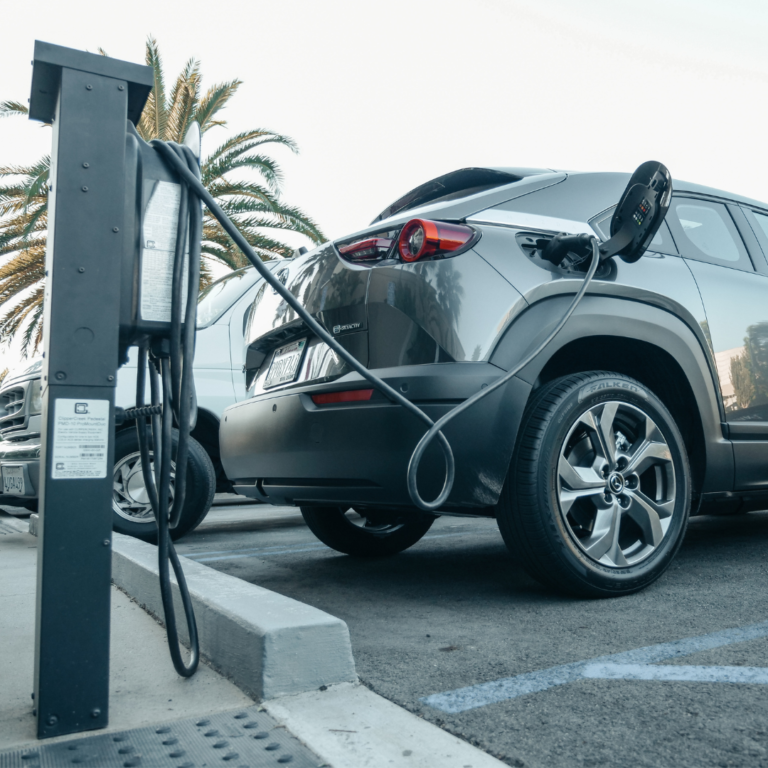
- Grid modernization and reliability improvements: Rising electricity demand from EV adoption and weather-driven consumption requires expanded infrastructure.
- Climate resilience and storm hardening: Winter storms and heat waves necessitate reinforcement of poles, substations, and transmission lines.
While these measures are essential for public safety and clean-energy compliance, each adds to utility costs borne directly by consumers.
Impact on Households and Businesses
For residential customers, especially low- and middle-income households, rising utility costs could compound existing financial pressures from high taxes, rent, and healthcare expenses. Small businesses reliant on energy-intensive operations—such as manufacturing, refrigeration, and delivery services—may face higher overhead costs that could be passed on to consumers.
Rural areas, with longer transmission lines and fewer alternative energy options, may experience some of the largest increases. Many experts warn that without proactive planning, these additional mandated costs could strain family budgets and small business profitability alike.
Regulatory Oversight and Public Participation
The CPUC has outlined a detailed review process for the proposed utility rate adjustments:
- Public hearings across multiple regions in early 2026
- Technical workshops to justify costs and evaluate necessity
- Review by the Public Advocates Office to challenge portions of filings
- Proposed CPUC decision expected mid-2026
Transparency in how ratepayer funds are allocated is critical. Regulators emphasize an evidence-driven approach to balance affordability with the need for infrastructure modernization and wildfire safety.
Long-Term Implications of Rising Utility Costs
Beyond the immediate impact on monthly bills, sustained increases in utility costs could have broader economic consequences across California. Higher electricity and gas expenses can influence where families choose to live, how businesses plan future investments, and whether certain industries remain viable within the state. Over time, rising utility costs may discourage small manufacturers, food processors, and service providers from expanding operations, particularly in regions already facing high operating expenses.
Housing affordability is also closely tied to utility costs. Renters often have limited control over energy efficiency upgrades, leaving them more exposed to rising bills. As utility costs increase, landlords may pass higher operating expenses onto tenants, compounding affordability challenges in already strained housing markets. Consumer advocates warn that without targeted relief measures, energy expenses could become a growing contributor to financial instability for working households.
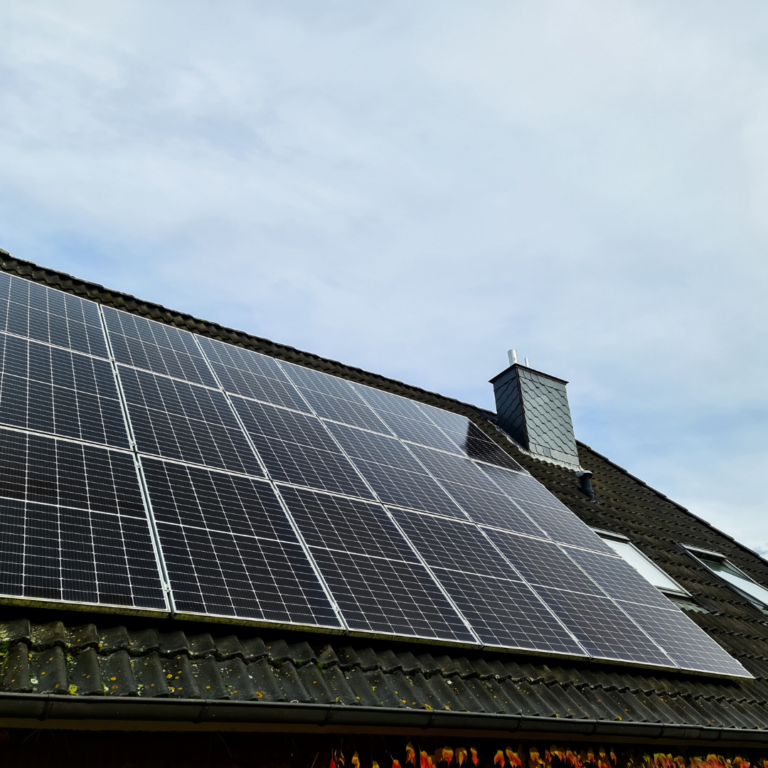
Additionally, higher utility costs may accelerate inequities between communities. Wealthier households are more likely to invest in solar panels, battery storage, and energy-efficient appliances, reducing their exposure to rate increases. Lower-income households, meanwhile, may lack access to these options and remain dependent on traditional utility services, bearing a disproportionate share of mandated cost increases.
Policy analysts suggest that addressing rising utility costs will require more than short-term rate moderation. Long-term solutions may include expanded assistance programs, clearer performance benchmarks for utilities, and greater scrutiny of how infrastructure and wildfire-prevention spending is prioritized. Without structural reforms, utility costs are expected to remain a persistent financial pressure for California residents well beyond 2026.
What Consumers Can Do
- Monitor rate filings: Stay aware of proposed changes and understand how they may affect your bill.
- Participate in public hearings: Voice concerns regarding financial impacts, especially for vulnerable households.
- Budget for increases: Include potential utility cost hikes in household or business financial planning for 2026.
Looking Ahead
While final rates for 2026 are pending, the trend of rising utility costs underscores the broader challenge of mandated energy expenditures in California. Policymakers and consumers alike must weigh the necessity of infrastructure and safety upgrades against the financial pressures placed on households and businesses.
Learn more about the 2026 utility rate review on the California Public Utilities Commission’s official page: CPUC – 2026 Rate Review.
Don’t be caught off guard by rising utility costs. Subscribe to TaxFreedomCalifornia.com for timely news, expert analysis, and practical insights on how energy mandates and other state-imposed costs impact your household and business budgets. Stay informed and plan ahead to protect your finances.