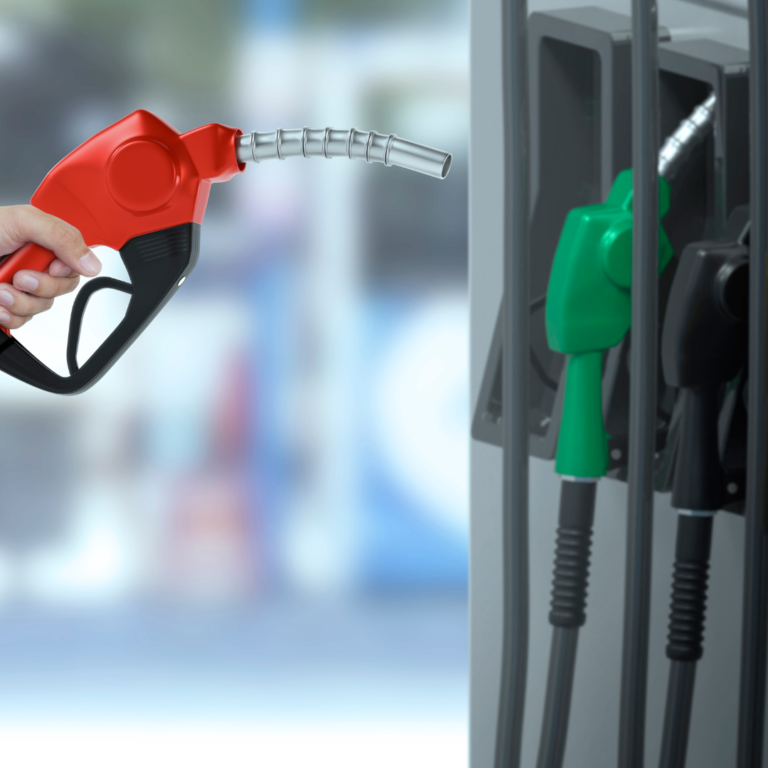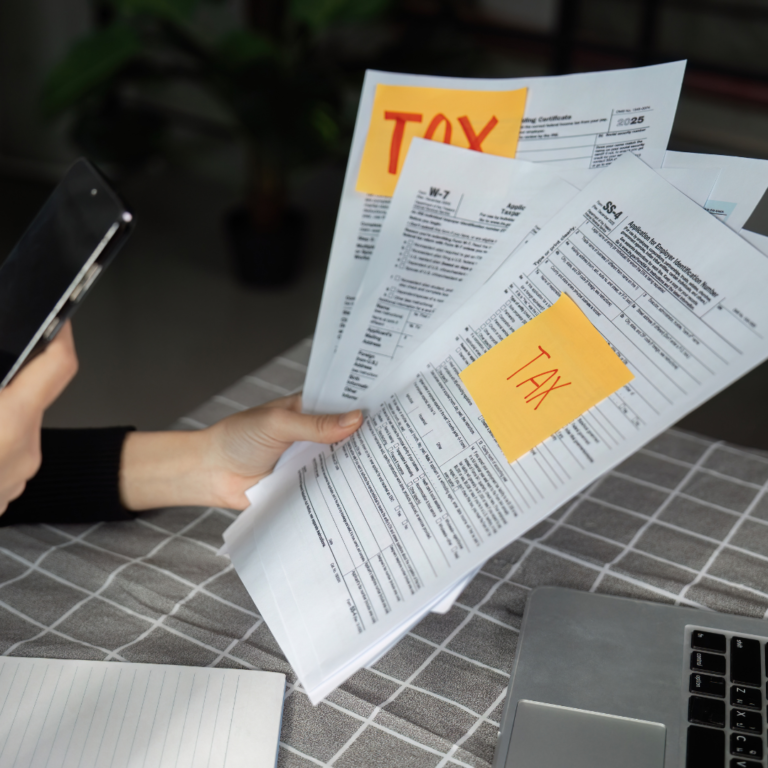








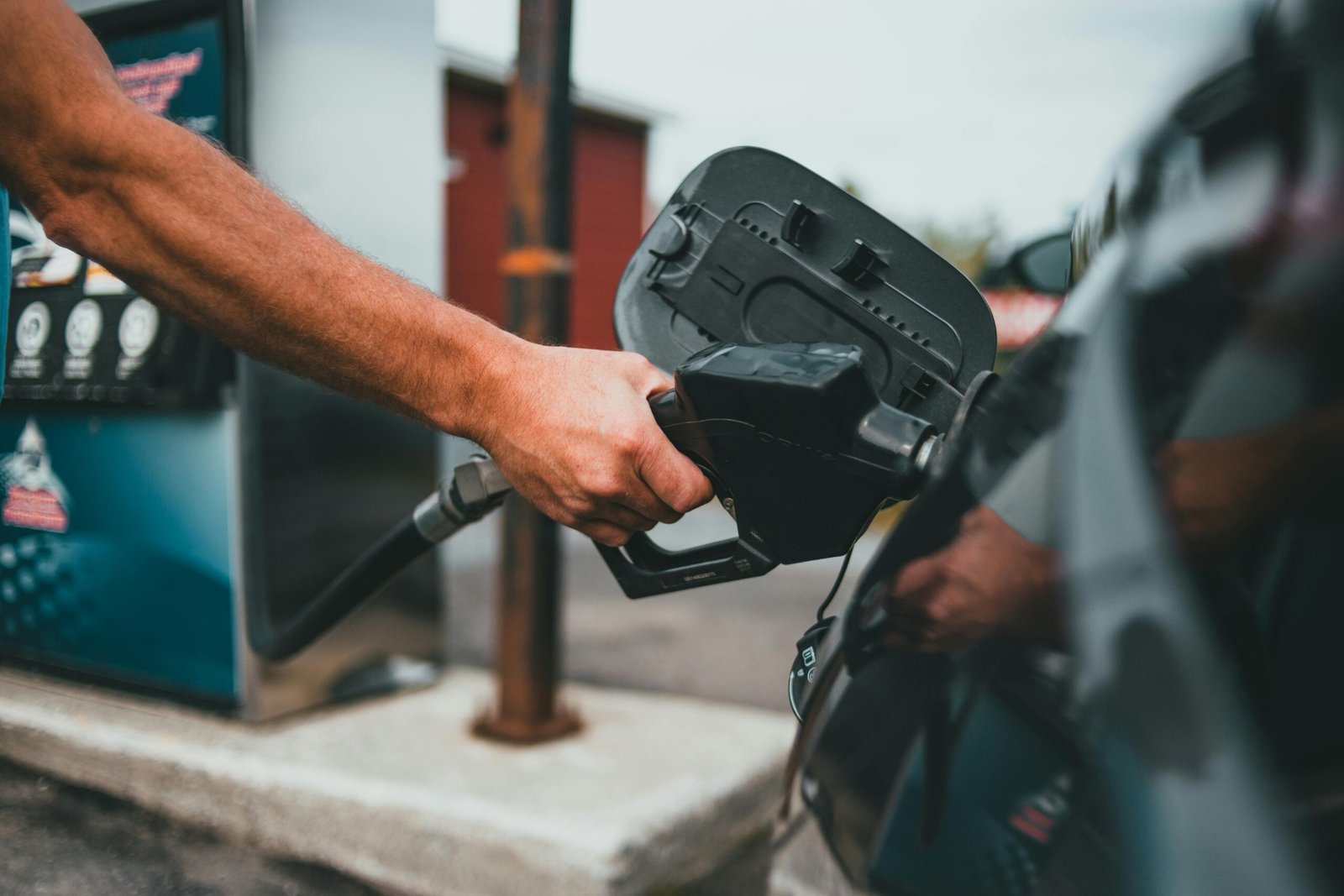
California gas taxes remain among the highest in the nation, and a new transportation and budget review shows that rates are set to rise even further under existing state law. The report raises fresh concerns about affordability as fuel prices remain elevated and Californians continue facing some of the steepest cost-of-living pressures in the country.
California drivers currently pay more than 70 cents per gallon in state-related taxes and fees, including excise taxes, cap-and-trade costs, and environmental program surcharges. According to analysts, these combined charges add more than $10–$15 per fill-up for many commuters compared to drivers in lower-tax states.
Automatic Increases Already Scheduled
Under the state’s 2017 gas tax law, annual inflation adjustments continue to push gas taxes higher each July. This means that even as residents struggle with rising utility bills, food costs, and housing prices, additional fuel tax increases are already built into the system.
“California lawmakers created a permanent upward tax escalator that hits working families the hardest,” the report notes. “These automatic increases occur whether household incomes rise or not.”
Experts warn that sustained growth in gas taxes could also affect local economies, particularly in rural regions where driving distances are longer and public transit options are limited. Higher fuel costs can translate into increased prices for goods and services, adding an indirect tax burden that amplifies the overall cost of living for both households and businesses.
Impact on Working Families
For many Californians—especially those with long commutes—fuel costs now represent a significant portion of their monthly budgets. Small businesses in transportation, delivery, and trades report similar pressure, saying that higher fuel prices reduce margins and force higher prices onto consumers.
In rural counties, where driving distances are longer and transit options are limited, the burden is even greater.
In addition, rising gas taxes are contributing to long-term financial strain for families planning household budgets. As commuting and transportation costs climb, middle-income households must adjust spending on essentials such as groceries, healthcare, and education. Analysts note that these increases disproportionately affect those with limited flexibility in their expenses, reinforcing the need for careful monitoring of both fuel costs and state tax policy.
Where the Money Goes
Despite the intended purpose of gas taxes is to fund transportation improvements, auditors and policy experts have highlighted instances where budget overruns and administrative delays limit the effectiveness of these funds. Misallocation or slow execution of projects not only diminishes the value received by taxpayers but also raises questions about fiscal oversight and accountability within state transportation programs. Citizens and advocacy groups are increasingly calling for transparent reporting on how California gas taxes are spent to ensure that revenues directly benefit road safety, infrastructure modernization, and congestion relief.
Calls for Reform Grow
Following the new report, several lawmakers and taxpayer advocates renewed demands for a freeze on automatic gas tax increases, greater transparency in project spending, and an independent audit of transportation program efficiency.
Californians continue to pay more at the pump than almost anywhere else in the nation—yet many say they see little improvement in road conditions or traffic congestion.
Tax Freedom California will continue monitoring legislative proposals and transportation spending developments in the months ahead.
Read the full transportation and budget review on California gas taxes at the California Legislative Analyst’s Office.
Stay informed on rising gas taxes, transportation funding, and other fiscal developments. Subscribe to TaxFreedomCalifornia.com for timely updates, expert analysis, and practical insights delivered straight to your inbox. Protect your budget, stay ahead, and make informed decisions!