







California lawmakers and policy analysts continue to examine Corporate Tax reform as part of broader discussions about state revenue stability and long-term economic competitiveness. The ongoing debate in Sacramento reflects concerns about balancing reliable public funding with a business tax structure that supports investment and job growth.
The current Corporate Tax framework in California plays a significant role in generating state revenue. At the same time, policymakers are evaluating whether existing rules adequately address changes in the economy, including the growth of technology industries, remote work, and evolving corporate business models.As budget pressures and economic uncertainties continue, Corporate Tax reform remains a recurring topic in legislative discussions. Lawmakers are reviewing potential policy options while considering their effects on businesses, state revenue collections, and California’s overall economic climate.
Why Corporate Tax Reform Is Being Discussed
California’s Corporate Tax system is a key component of the state’s revenue structure. Revenue generated through corporate taxation helps fund public services, education, infrastructure, healthcare programs, and other state priorities.
Policymakers are reviewing Corporate Tax policy because economic conditions and business practices continue to evolve. Changes in the digital economy, interstate commerce, and global business operations have prompted discussions about whether current tax rules remain effective and equitable.In addition, concerns about revenue volatility have encouraged lawmakers to explore ways to create a more stable and predictable tax base. A well-designed Corporate Tax system may help California maintain consistent funding for essential public services while supporting economic growth.
Revenue Stability as a Central Concern
One of the primary motivations behind Corporate Tax reform discussions is the need for stable state revenue. California’s budget can be affected by fluctuations in economic activity, corporate profits, and capital market performance.
A more stable Corporate Tax structure could help reduce the impact of economic downturns on state finances. Policymakers are considering whether adjustments to tax rates, apportionment formulas, or reporting requirements could contribute to more consistent revenue collections.Revenue stability is particularly important for long-term budget planning. Reliable Corporate Tax revenue allows state agencies and local governments to plan public investments with greater confidence, reducing uncertainty in funding for critical services.
Potential Reform Options Under Review
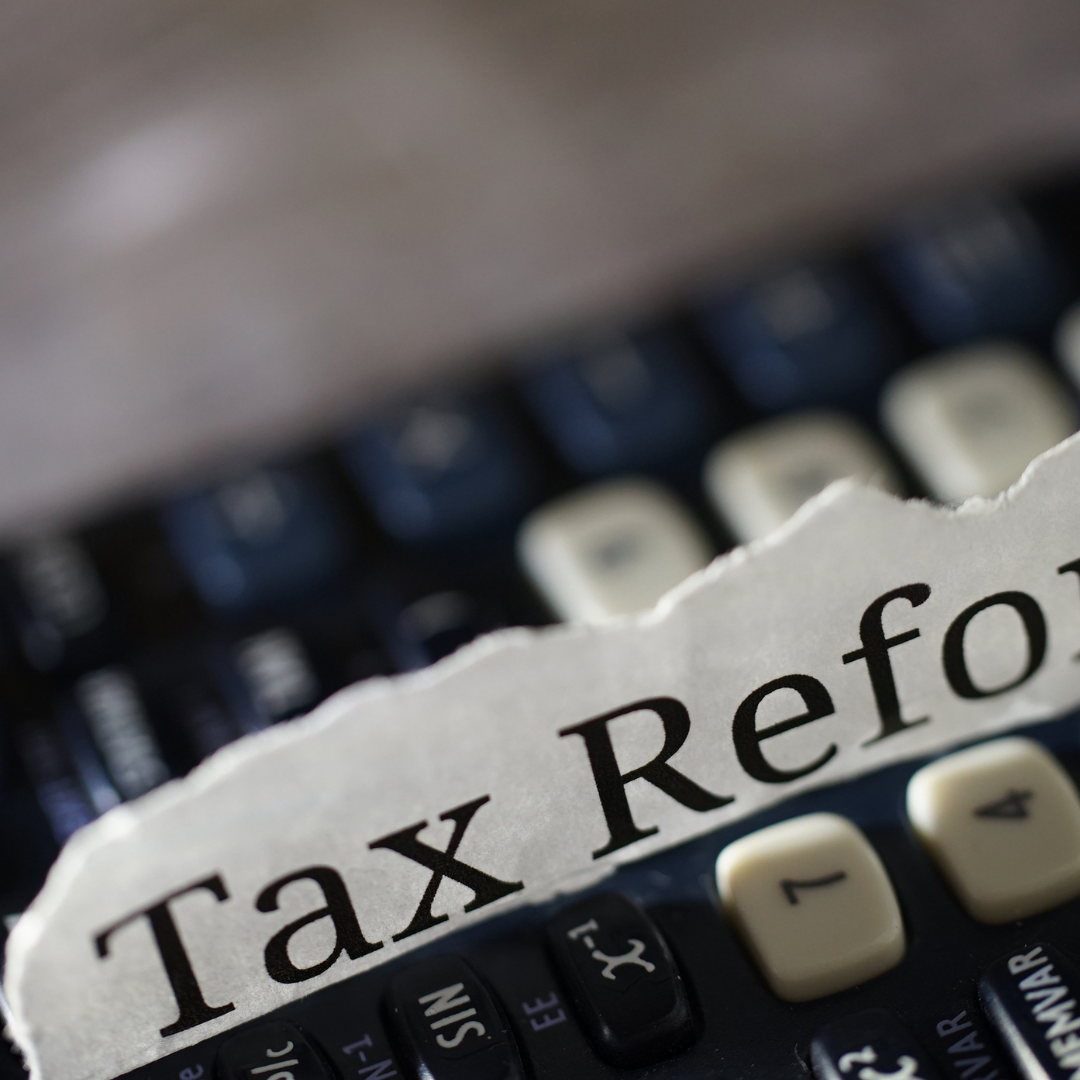
Although no single reform proposal has been universally adopted, policymakers have discussed several potential approaches to Corporate Tax reform. These options may include changes to tax rates, deductions, credits, apportionment methods, and reporting standards.
Some proposals focus on simplifying the tax code to reduce administrative complexity for businesses. Simplification measures could make compliance easier while improving transparency in how corporate tax liabilities are calculated.Other discussions involve evaluating tax incentives and credits to determine whether they effectively encourage investment, job creation, and economic development. Policymakers are considering whether certain incentives should be modified, expanded, or phased out as part of broader Corporate Tax reform efforts.
Impact on Businesses Operating in California
Any changes to the Corporate Tax system could have significant implications for businesses operating in California. Companies may need to adjust their tax planning strategies, financial reporting practices, and compliance procedures in response to new rules.
Large corporations with multistate or international operations may be particularly affected by changes to apportionment formulas and income allocation rules. These businesses often analyze how California’s Corporate Tax policies compare with those of other states when making investment and expansion decisions. Small and medium-sized businesses may also be impacted by Corporate Tax reforms, especially if changes affect deductions, credits, or filing requirements. Policymakers are considering how to balance the goals of revenue generation with the need to maintain a competitive business environment.
Economic Competitiveness Considerations
Supporters of Corporate Tax reform often emphasize the importance of maintaining California’s economic competitiveness. They argue that a fair and predictable tax system can encourage business investment, innovation, and job creation.
California is home to many industries that contribute significantly to the state’s economy, including technology, entertainment, agriculture, manufacturing, and healthcare. Policymakers are evaluating whether Corporate Tax policies adequately support the growth and retention of these industries. At the same time, lawmakers must consider the state’s need for sufficient revenue to fund public services and infrastructure. The challenge is to design a tax system that supports economic growth while ensuring that businesses contribute appropriately to the state’s fiscal needs.
Stakeholder Perspectives on Reform
Business groups, taxpayer advocates, economists, and public policy organizations have offered differing perspectives on Corporate Tax reform. These stakeholders often agree on the importance of a stable and transparent tax system but may disagree on the best approach to achieving that goal.
Business organizations may support reforms that simplify compliance and reduce uncertainty. They often emphasize the need for Corporate Tax policies that allow companies to compete effectively in national and global markets.Taxpayer advocates and fiscal policy analysts may focus on ensuring that Corporate Tax reforms preserve adequate revenue for public services. They may also evaluate whether proposed changes distribute tax burdens fairly among different types of businesses and industries.
Legislative Process and Future Outlook
Tax reform discussions are expected to continue as lawmakers review economic data, revenue projections, and stakeholder feedback. Any significant changes to the tax code would likely require detailed legislative analysis and public debate.
The timing and scope of potential tax reforms may depend on broader budget negotiations, economic conditions, and political priorities. Policymakers may choose to pursue incremental adjustments or consider more comprehensive reforms over time.For businesses and taxpayers, monitoring Corporate Tax developments in Sacramento will be important for understanding potential future changes to California’s tax landscape. Ongoing discussions may shape how the state balances revenue generation, economic competitiveness, and long-term fiscal stability.
To learn more about California economic policy discussions and business taxation developments, visit the CalMatters economy resource.
Follow TaxFreedomCalifornia.com for continuing coverage of California Corporate Tax policy, business compliance developments, state budget discussions, and legislative updates affecting employers and taxpayers across the state.