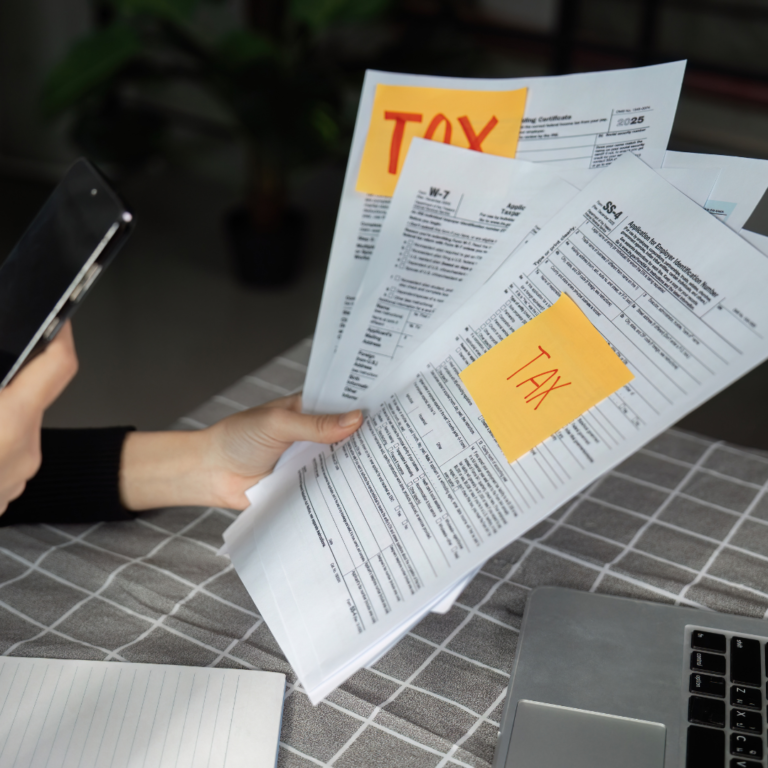











The California Public Utilities Commission (CPUC) has opened a formal review of projected 2026 utility rates, focusing on filings from Pacific Gas & Electric (PG&E), Southern California Edison (SCE), and San Diego Gas & Electric (SDG&E). The review comes as utilities request higher rates due to rising operating costs, infrastructure upgrades, and wildfire-mitigation spending—pressures that could significantly affect household and business budgets across California.
The CPUC’s review will examine the justification for each proposed increase, weighing the need for grid reliability and safety against the financial impact on consumers. Utilities argue that rising utility rates are necessary to fund wildfire prevention programs, modernize aging infrastructure, and meet state-mandated clean energy and climate resilience goals. Regulators will also consider efficiency measures and whether all requested expenditures are essential, aiming to prevent unnecessary costs from being passed on to households and businesses.
This process provides an opportunity for public engagement, allowing California residents, advocacy groups, and business stakeholders to comment on the proposals. By understanding how utility rates are calculated and what drives them, consumers can better anticipate changes to their monthly bills and make informed decisions about energy use, budgeting, and participation in programs like CARE and FERA. The review also reinforces broader fiscal accountability, connecting utility cost management with the state’s overall financial health.
Rising Costs Add Pressure Alongside Taxes
Utilities cite several cost drivers behind the proposed rate increases, including:
- Grid modernization and reliability improvements for EV adoption, climate resiliency, and increased energy demand.
- Wildfire mitigation and vegetation management, including undergrounding and covered conductor programs.
- Storm hardening and climate resilience, preparing poles, substations, and transmission lines for extreme weather events.
For California residents, rising utility rates act as an added financial burden alongside state and local taxes. Public advocates have noted that affordability is becoming one of the most pressing fiscal issues, particularly for middle-income and low-income households.
Experts warn that unchecked increases in utility rates could force families to cut back on other essential expenses, from groceries to healthcare, while small businesses may face higher operating costs that could impact hiring and service delivery. Ensuring transparency and oversight in the rate-setting process is critical to prevent further financial strain on Californians.
Utility Proposals and Regulatory Oversight
While proposals vary by company, common areas of spending include wildfire prevention programs, grid expansion, and infrastructure hardening. CPUC analysts will scrutinize each cost category to determine what is reasonable and what should be scaled back, ensuring consumers are not overburdened.
Public participation hearings, technical workshops, and review by the Public Advocates Office will all inform the CPUC’s final 2026 decision. Lawmakers are also planning oversight hearings to ensure transparency and accountability in utility spending, similar to concerns about state fiscal responsibility and budgetary oversight.
Impacts on Households and Businesses
Rising utility rates could:
- Strain household budgets already impacted by high state taxes and inflation.
- Increase operating costs for small businesses, particularly in sectors reliant on energy-intensive processes.
- Heighten the need for affordability programs like CARE and FERA, especially for low-income households.
Experts note that unchecked utility spending and poorly justified rate increases can compound existing financial pressures, highlighting the need for careful monitoring—paralleling broader fiscal concerns around state debt and responsible government spending.
What Comes Next
The CPUC review will evaluate each proposed utility rate adjustment to ensure consumers are not overcharged. Residents and businesses are encouraged to participate in the process to ensure their voices are heard regarding costs that directly affect household finances.
Read more at the California Public Utilities Commission – News & Announcements.
Rising utility rates are adding to the financial pressures Californians face alongside taxes and inflation. Subscribe to TaxFreedomCalifornia.com for timely updates, expert analysis, and practical insights on how utility decisions and state policies affect your household and business budgets. Stay informed, plan ahead, and safeguard your financial future!